In an emergency every second counts. Reliable communication whether for a 911 call, paramedic dispatch, or wildfire alert can mean the difference between rapid response and disaster.
Yet many rural communities still rely on aging broadband infrastructure that limit emergency response capabilities that commonly drop calls, have slow data transfer, and have unreliable connectivity that aren’t just technical inconveniences, they’re serious risks to public health and safety.
That’s why rural counties, municipalities, and electric co-ops are investing in fiber broadband infrastructure to support emergency response systems with high speeds, low latency, and unmatched reliability. For the safety of rural residents, its important that fiber internet quickly becomes the modern standard for public safety.
Why Rural Communities Face Unique Emergency Response Challenges
Rural public safety agencies often serve larger geographic areas with fewer personnel and longer travel distances so police departments, fire stations, EMS teams, and 911 dispatch centers must coordinate across wide territories, challenging terrain, and limited resources.
At the same time, emergency responders increasingly depend on digital tools, including:
- Mobile data terminals
- Body worn cameras
- Real-time GPS tracking
- Cloud based dispatch software
- Digital evidence systems
Without dependable high-speed internet, these tools cannot function effectively.
Many rural areas still operate on legacy copper lines or limited fixed wireless systems and these outdated technologies are vulnerable to outages, bandwidth congestion, and weather-related disruptions precisely when emergency communication is most critical.
Fiber broadband provides the reliable connectivity backbone rural public safety agencies need to stay vigilent towards those they serve.

How Fiber Improves 911 Call Reliability in Rural Areas
Modern 911 systems are no longer simple voice phone lines but are Next Generation 911 (NG911) platforms such as:
- Voice calls
- Text-to-911 messaging
- Photo and video sharing
- Real-time GPS location data
- Integrated medical and incident information
These advanced systems require stable, high-bandwidth internet connections.
Benefits of Fiber for Rural 911 Systems:
- Faster call processing
- Fewer dropped calls
- Increased support during emergency events
- Secure data communication between agencies
Fiber infrastructure ensures that both emergency call centers and rural households maintain reliable connections even during high network demand or severe weather conditions.
For rural residents this means greater confidence that a 911 call will go through when it matters most.
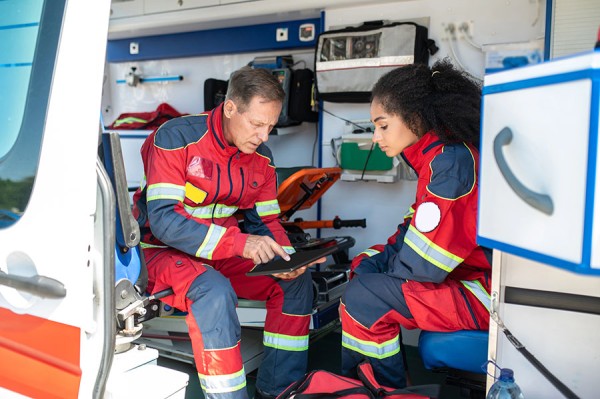
Empowering First Responders with High-Speed Internet
Fiber broadband strengthens more than dispatch centers as it also enhances communication and coordination in the field between first responders such as:
- Ambulance teams can transmit patient vitals to hospitals before arrival
- Firefighters can access building plans
- Law enforcement officers can retrieve cloud-based records on location
- Emergency managers can coordinate across agencies instantly
Low latency and high bandwidth are especially critical in rural areas where cell service may be inconsistent. Fiber-connected substations, command posts, and public safety facilities ensure first responders remain informed and operational during large-scale emergencies.
Strengthening Local Government and Emergency Management Systems
Local governments oversee emergency planning, alert systems, and disaster response coordination and with Fiber broadband these systems are strengthened with:
- Reliable VoIP communication
- Secure cloud storage for emergency response plans
- Public alert systems and crisis communication
- Live video coordination with state and federal agencies
During power outages or severe weather events, fiber networks designed with redundancy can maintain connectivity longer than legacy systems keeping essential services online when communities need them most.
Connecting Fire Stations, Police Departments, and EMS Facilities
Public safety buildings are critical infrastructure and fiber broadband allows rural firehouses, police stations, and EMS bases to operate as high-performance command centers.
Fiber supports:
- Remote training and certifications
- Real-time surveillance systems
- Automated reporting and compliance tools
- Secure interagency collaboration
Upgrading to fiber allows municipalities and electric co-ops to modernize public safety facilities without building costly standalone networks.

Why Local Fiber Networks Matter for Rural Public Safety
When emergency communication depends on internet connectivity, this makes local control and rapid response essential which is why locally managed fiber networks are built in partnership with electric cooperatives for:
- Faster repair times
- Community-based support teams
- Infrastructure investment that stays local
- Prioritized connectivity for public safety facilities
This model ensures rural communities aren’t dependent on distant providers during critical situations.
Fiber Broadband Is Critical Infrastructure for Rural Safety
Fast, reliable internet is no longer a luxury, it is essential infrastructure for emergency response and public safety.
Fiber broadband enables:
- Reliable 911 connectivity
- Faster emergency dispatch
- Real-time field communication
- Secure interagency coordination
- Improved disaster response planning
For rural communities, investing in fiber means investing in safer neighborhoods, stronger emergency systems, and greater peace of mind.
Contact Conexon Connect today to learn more and sign up for updates.
Frequently Asked Questions
Why is fiber internet important for rural emergency services?
Fiber internet provides high-speed, low-latency connectivity that supports modern 911 systems, real-time data transmission, and reliable communication between first responders and hospitals.
How does fiber improve 911 call reliability?
Fiber reduces dropped calls, improves call clarity, and ensures emergency communication systems can handle high data volumes during crises.
Can fiber help during natural disasters?
Yes. Fiber networks with redundant routing are more resilient during severe weather events and can maintain critical communication systems longer than legacy infrastructure.
